Legal and Medical Aid Available for Women in Pregnancy and Crisis Pregnancy
Author: Rui Jadhav
(Intern)
An unexpected pregnancy can bring immediate questions:
“What are my options?
What are my rights?
Where can I get help?”
In moments of crisis, knowing where to access reliable legal and medical aid is essential. Let’s break down the support systems available to women in India, ensuring you have the information you need to move forward.
The first stage is confirming the pregnancy. Usually women now-a-days prefer pregnancy test kits to detect pregnancy, but for assessing the woman’s and potential fetus’s health, Consulting a Registered Medical practitioner (RMP) is beneficial. Even in cases of crisis or unplanned pregnancies, it is important to seek out qualified, professional doctors to ensure safety of both lives and legality throughout the procedure.
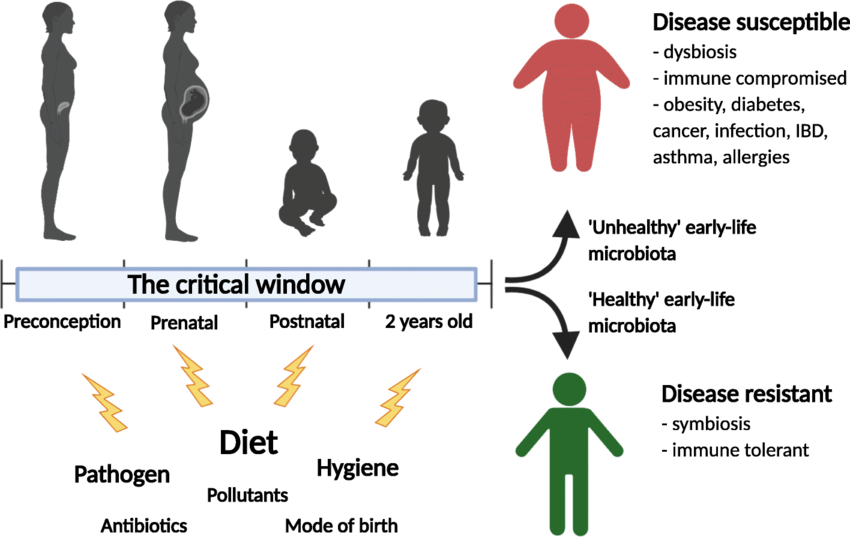
Difference between Antenatal/prenatal/post natal care
The terms ‘Ante’ or ‘pre’ + ‘natal’ mean “before birth”. “Antenatal care” is a subset of “prenatal care,” both terms referring to the medical and educational support provided to pregnant women to ensure a healthy pregnancy and birth.
- Prenatal care: is a broader term that includes all aspects of healthcare during pregnancy, from conception to delivery.
- Antenatal care: is a more specific term that refers to the healthcare provided during pregnancy, focusing on the well-being of both the mother and the fetus.
Both terms involve regular checkups with a doctor or midwife (a person who has been trained to help women give birth to babies), screening tests, and guidance on healthy lifestyle choices. The primary goal of both prenatal and antenatal care is to ensure a healthy pregnancy and birth for both the mother and baby. - Post natal care: Healthcare after (post) delivery/childbirth. this period ranges from 6-8 weeks after birth.
3 Government initiatives in India for Pregnant women:
The purpose is to understand your medical options and rights when facing a crisis pregnancy. In India, several government initiatives are in place to ensure that pregnant women receive the support they need, regardless of their circumstances.
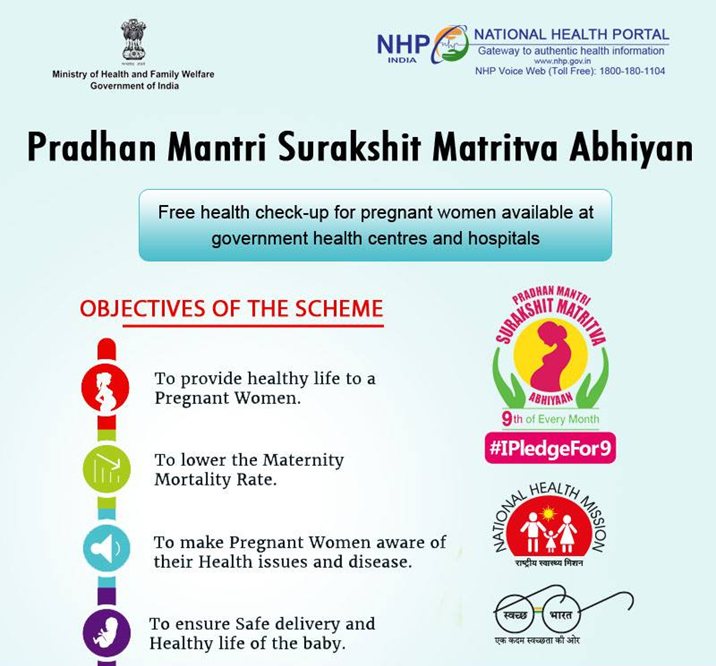
- Pradhan Mantri Surakshit Matritva Abhiyan (PMSMA): Think of this as a dedicated health check-up day for pregnant women. On the 9th of every month, government health facilities offer free, assured, and quality antenatal care. A key focus of PMSMA is to identify high-risk pregnancies early on (e.g., those with complications like severe anemia or high blood pressure). Early detection means timely attention, which can be life-saving for both mother and baby.
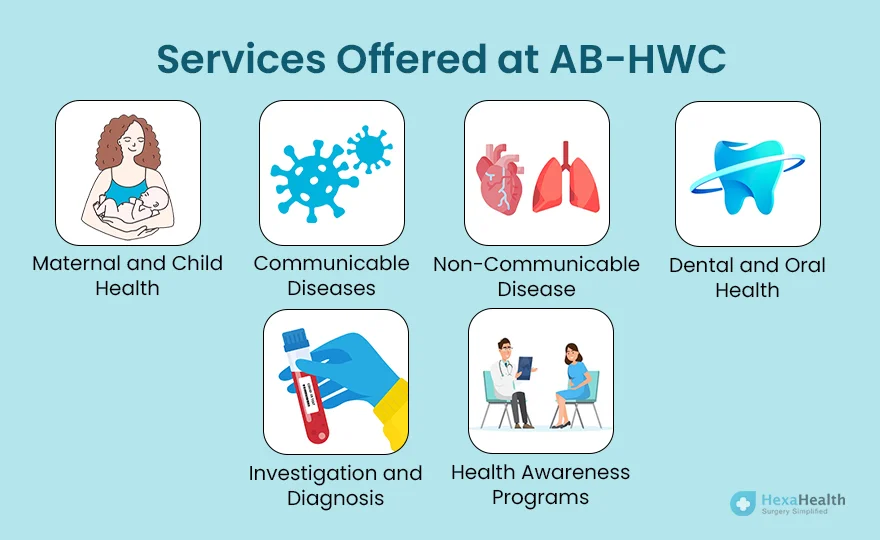
- Ayushman Bharat – Health & Wellness Centres (AB-HWC): These centers are being set up closer to communities to provide comprehensive primary healthcare. For pregnant women, AB-HWCs offer a range of services related to “Care in pregnancy and childbirth.” This includes important aspects like early registration of pregnancy, regular antenatal check-ups (often at least four recommended visits), screening for various health conditions, and crucial counseling on nutrition, family planning, and healthy practices.
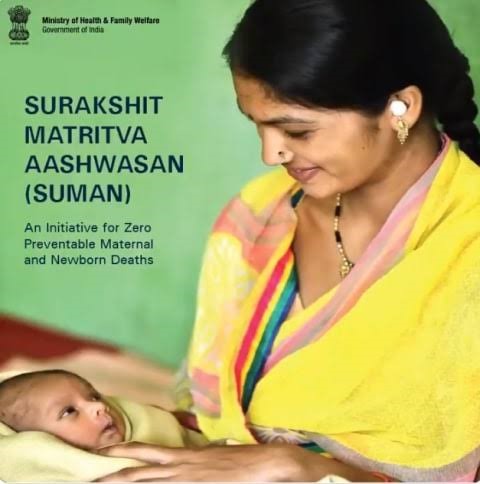
- Surakshit Matritva Aashwasan (SUMAN): This scheme is a powerful commitment to ensuring zero preventable maternal and newborn deaths. SUMAN aims to provide assured, dignified, respectful, and quality healthcare at no cost for every woman and newborn who visits a public health facility. This includes free delivery (even C-sections if needed), free transport to and from the facility, and comprehensive care for sick newborns, all designed to ensure a positive birthing experience with no denial of services.
Safe Delivery Options:
Beyond antenatal care, understanding your delivery options is also vital. Whether you choose to continue the pregnancy and raise the child or place them for adoption, ensuring a safe delivery is paramount.
- Government Hospitals: India’s public health system offers extensive facilities for safe deliveries. These hospitals provide a range of services, often free of cost or at minimal charges, from routine vaginal deliveries to necessary Caesarean sections (C-sections) in complicated cases. They are equipped with trained medical professionals and emergency services.
- Private Hospitals: For those who prefer or can afford it, private hospitals offer comfortable environments and personalized care for delivery. While these come at a cost, many focus on providing a holistic birthing experience.
The Saved Pearl Foundation ensures to provide quality healthcare facility to its beneficiaries. We take care of all the medical bills of the private hospital.
Navigating Legal Aspects: The Medical Termination of Pregnancy (MTP) Act
Beyond medical care, understanding your legal standing is crucial, especially concerning decisions about continuing or terminating a pregnancy. In India, abortion is legal under specific circumstances, primarily governed by The Medical Termination of Pregnancy (MTP) Act, 1971, and its significant 2021 Amendment. The core purpose of this Act is to ensure that women can access safe and legal abortion services, thereby preventing dangerous, illegal procedures.
Key Provisions of the MTP Act:
Gestational Limits (the process or period of development inside the womb between conception and birth.)
- Up to 20 weeks: A single approval through a Registered Medical Practitioner (RMP) can approve the termination.
- 20 to 24 weeks: The opinion of two RMPs is required. This extended limit is specifically for “special categories” of women. This includes survivors of sexual assault or rape, minors, women with disabilities, those suffering from mental illness, women whose marital status changed during the pregnancy (e.g., widowhood or divorce), or those diagnosed with substantial fetal abnormalities.
- Beyond 24 weeks: Termination is only allowed if a Medical Board diagnoses substantial fetal abnormalities or if it’s necessary to save the pregnant woman’s life.
Grounds for Termination- An RMP can legally terminate a pregnancy if:
There’s a risk to the pregnant woman’s life or grave injury to her physical or mental health (for instance, a pregnancy resulting from rape is legally presumed to cause severe mental distress).
- There’s a substantial risk of the child being born with serious physical or mental abnormalities.
- Contraception failed for any woman or her partner – the 2021 Amendment notably expanded this to include unmarried women.
- Your Consent is Paramount: The pregnant woman’s consent is always required and absolutely vital. For minors (under 18) or individuals with mental illness, written consent from a guardian is necessary. Crucially, consent from a partner or other family members (apart from the legal guardian for minors/mentally ill) is NOT legally required.
- Approved Places: Abortions can only be performed in government hospitals or private facilities specifically approved by the government to ensure safety and adherence to legal standards.
- Illegality: It’s important to know that sex-selective abortion (terminating a pregnancy based on the fetus’s sex) is strictly illegal and carries severe penalties.
Rights for working pregnant women:
For women who choose to continue their pregnancies, the Maternity Benefit Act, 1961, This act provides crucial support. ensuring that pregnancy does not jeopardize a woman’s professional life.
This Act includes rights like:
- Paid maternity leave.
- Job security.
- Protection from discrimination in the workplace
Accessing Legal Aid and Support Services
Navigating legal pathways, especially during a crisis, can be daunting. Thankfully, India’s legal framework ensures access to support for those who need it.
- Importance of Legal Aid: Legal complexities can be overwhelming. Free legal aid services are a fundamental right designed to help individuals understand their options and navigate the legal system without financial burden.
- National Legal Services Authority (NALSA): NALSA, along with its extensive network of State and District Legal Services Authorities, is the primary body providing free legal services. Critically, any woman, regardless of her income, is entitled to free legal aid under Section 12(c) of the Legal Services Authorities Act, 1987. You can access this aid by submitting a simple application, sending an email, or directly approaching these committees.
Government Schemes for Financial and Social Support:
Pradhan Mantri Matru Vandana Yojana (PMMVY)
This scheme provides cash incentives to pregnant women and lactating mothers. It supports them during their first (and now second, if the second child is a girl) child, aiming to partially compensate for wage loss during pregnancy and promote healthy pregnancy practices.
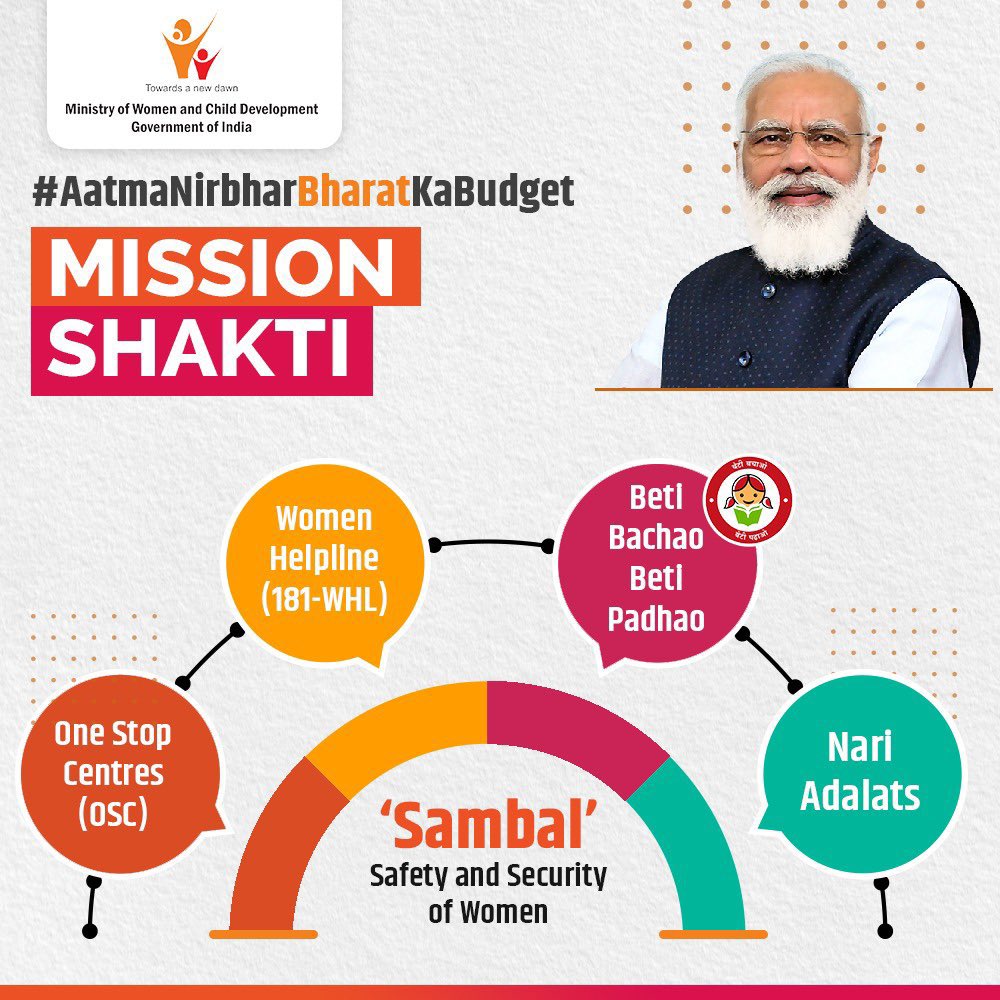
Mission Shakti (Sambal & Samarthya)
These are overarching government initiatives providing holistic support to women.
Key components include:
- One Stop Centres (Sakhi Centres): These are critical hubs offering integrated support to women affected by violence, which can include those in crisis pregnancies. They provide immediate police assistance, medical aid, legal aid, psychosocial counseling, and even temporary shelter, all under one roof.
Multiple cases from One Stop have been transferred to TSPF, this significantly adds to the credibility of our organization.
- Women Helplines (181): A 24/7 emergency and non-emergency response service, linking women with appropriate authorities and services in times of distress.
- Swadhar Greh Scheme: Provides institutional support for the rehabilitation of women in difficult circumstances, offering shelter, food, clothing, and counseling.
- Sakhi Niwas (Working Women Hostel): Offers safe and affordable accommodation for working women, supporting their independence.
NGOs and Support Organizations (Like The Saved Pearl Foundation)
Organizations like The Saved Pearl Foundation play a crucial role by acting as a bridge to these services. We provide direct emotional support, offer accurate information, and crucially, help connect women to the necessary legal aid and medical facilities. Whether it’s navigating the (medical termination of pregnancy) MTP Act, finding a safe place, or accessing financial assistance, we aim to be a guiding hand through challenging times.
The Saved Pearl Foundation: Your Partner in Crisis
TSPF is dedicated to provide a safe, confidential and supportively nurturing environment to beneficiaries. Our foundation has all facilities under one roof- Counseling, legal guidance/connections to legal aid, accommodation and medical assistance. This blog aims to highlight women’s rights and steps to gaining control over life decisions. It enables us to solve potential confusion and lack of information and educate women to make informed decisions.
“Don’t Face it alone” and help others by sharing this blog with anyone who might benefit from this crucial information.